Top Landscaping Design Trends That Increase Curb Appeal
As outdoor design approaches continue to evolve, homeowners and property owners seek fresh ways to elevate property value and enhance overall curb appeal. The contemporary world of professional landscaping emphasizes environmental sustainability, functional living areas, and striking visual elements that work harmoniously with local ecosystems. Transforming outdoor environments requires a deliberate balance of thoughtful design, regional plant knowledge, and high-quality craftsmanship. Whether updating an established yard or embarking on a complete exterior transformation, embracing modern outdoor concepts helps create spaces that remain attractive and inviting throughout every season.
Economic indicators reflect a surging national interest in residential and commercial property enhancements. According to Technavio, the US market for landscaping services is projected to expand at a compound annual growth rate of 16.5% between 2025 and 2030. This steady expansion highlights how crucial vibrant outdoor environments have become for property owners seeking long-term value. Investing in sustainable plant selections, durable hardscapes, and customized garden layouts allows individuals to boost home exterior beauty while making environmentally sound improvements that yield lasting satisfaction.
Embrace Eco-Friendly Plant Selection and Design
Sustainable design begins with selecting flora native to the local region. Native perennials, shrubs, and ornamental grasses thrive naturally in regional weather conditions and soil types, requiring significantly less supplementary watering and fewer chemical treatments. By utilizing plants naturally adapted to the surrounding environment, property owners establish resilient garden beds that withstand intense heat, seasonal droughts, and sudden cold snaps. These native species also establish deep root systems that stabilize topsoil, prevent erosion, and create natural habitats for local songbirds.
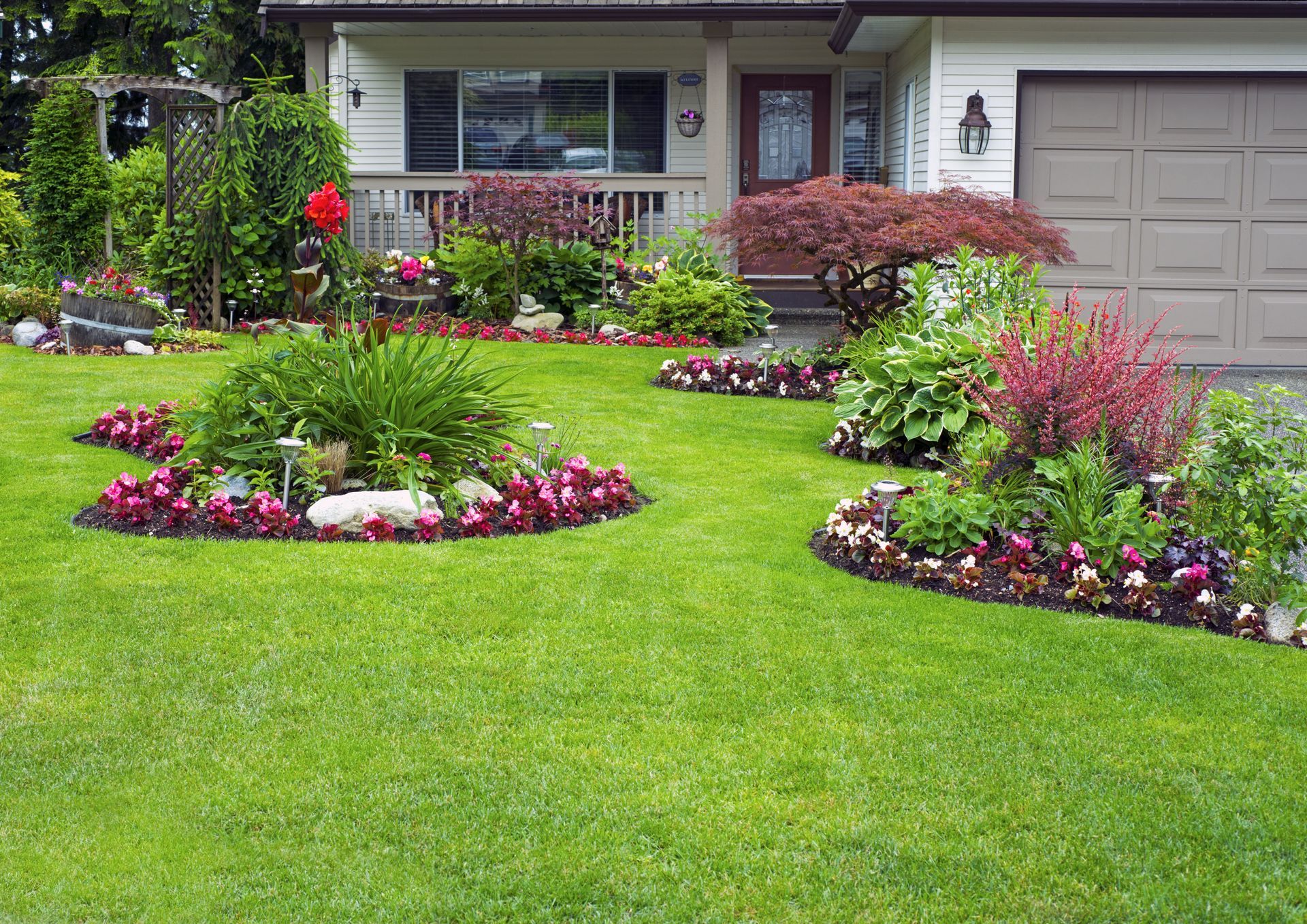
Water-conscious design strategies play a critical role in modern exterior planning. Incorporating drought-tolerant plant species alongside organic mulches creates visually stunning flower beds that conserve moisture effectively. Layering natural bark, wood chips, or compost over root zones insulates plant bases against excessive evaporation while suppressing unwanted weeds. Grouping flora with similar hydration requirements ensures efficient water distribution across the property. This thoughtful approach preserves visual beauty while reducing water consumption, resulting in a thriving outdoor environment that remains lush during dry summer months.
Optimize Lawn Health and Soil Vitality
A lush, vibrant lawn serves as the centerpiece of landscaping, framing every garden bed and structural feature across the yard. Achieving a healthy turf layer requires routine maintenance tailored specifically to regional soil conditions and grass varieties. Regular core aeration opens compacted soil, allowing vital oxygen, water, and organic nutrients to reach grass roots effectively. Coupled with customized fertilization schedules, core aeration encourages deep root growth, creating a dense green carpet that naturally resists weed infestations and turf diseases throughout the growing season.
Soil health serves as the foundation for every successful outdoor project, dictating how effectively plants absorb nutrients and moisture. Testing and enriching topsoil with specialized organic soil conditioners improves dirt structure, drainage capability, and microbial activity. Adding balanced plant foods, compost blends, and natural root stimulants provides trees, shrubs, and flowers with necessary minerals for strong stem development and bloom production. Proactive soil management transforms depleted ground into a nutrient-rich foundation, ensuring annuals and perennials flourish continuously.
Construct Functional Outdoor Living Spaces
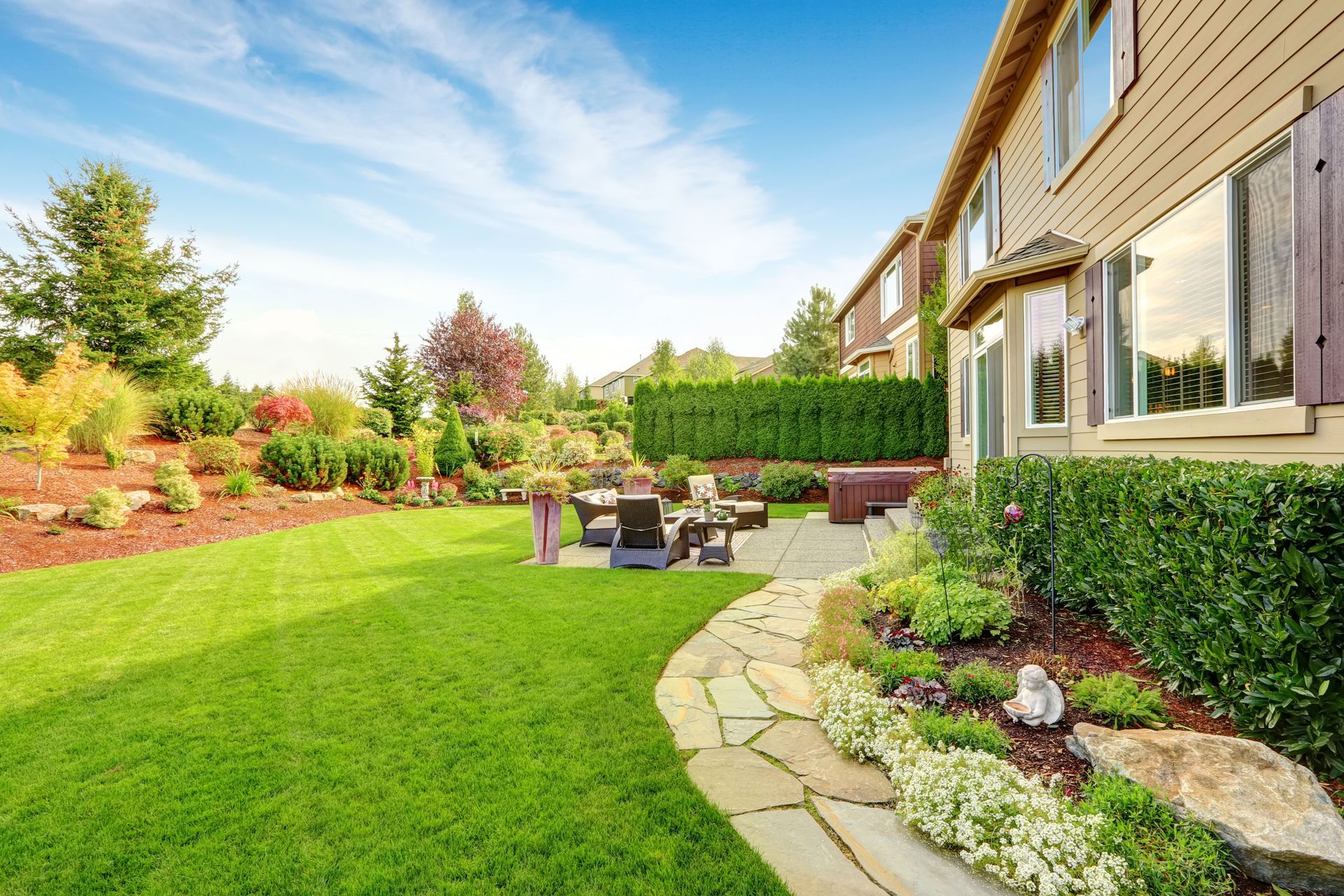
Modern landscaping treats open-air yards as direct extensions of indoor home environments, creating versatile spaces for relaxation, dining, and social gatherings. Custom patios crafted from durable stone or brick materials provide dedicated zones for lounging and hosting guests. Integrating smooth transitions between indoor rooms and outdoor spaces encourages a seamless movement flow, inviting family members to enjoy fresh air daily. Multifunctional patio layouts accommodate comfortable outdoor furniture, protective shade structures, and decorative planters, creating a cohesive atmosphere that elevates usability.
Expanding living areas outdoors often involves incorporating specialized features tailored for evening leisure and culinary experiences. Custom stone fire pits and built-in stone hearths establish cozy focal points that extend outdoor usability into cooler autumn and winter evenings. Surrounding these features with custom stone seating walls or built-in benches creates inviting gathering spots for family and friends. Outdoor kitchen counters, grill islands, and prep stations allow home cooks to prepare meals outdoors without leaving the social activity, enhancing property entertainment value.
Incorporate Relaxing Custom Water Features
Custom water installations introduce tranquility, natural soundscapes, and refined elegance to residential settings. Naturalistic ponds and cascading streams mimic wild aquatic environments, featuring natural stone, smooth river rock, and vibrant aquatic plants. The gentle sound of trickling water masks unwanted background noise, turning backyards into peaceful sanctuaries away from daily stress. Beyond aesthetic appeal, pond ecosystems attract colorful dragonflies and songbirds, fostering a vibrant natural environment right outside the home while elevating the charm of surrounding flower beds.
For properties with compact yard space, vertical water walls and architectural fountains offer sophisticated design alternatives. Vertical water features send smooth streams cascading over stacked slate or carved stone, creating a cooling microclimate while adding dramatic visual texture. Recirculating fountains deliver continuous water movement without wasting water, utilizing efficient internal pumps to recycle water constantly. These eye-catching features serve as striking focal points near front entryways, courtyard garden corners, or adjacent to main patio seating areas, captivating visitors year-round.
Utilize Durable Hardscaping and Vertical Elements
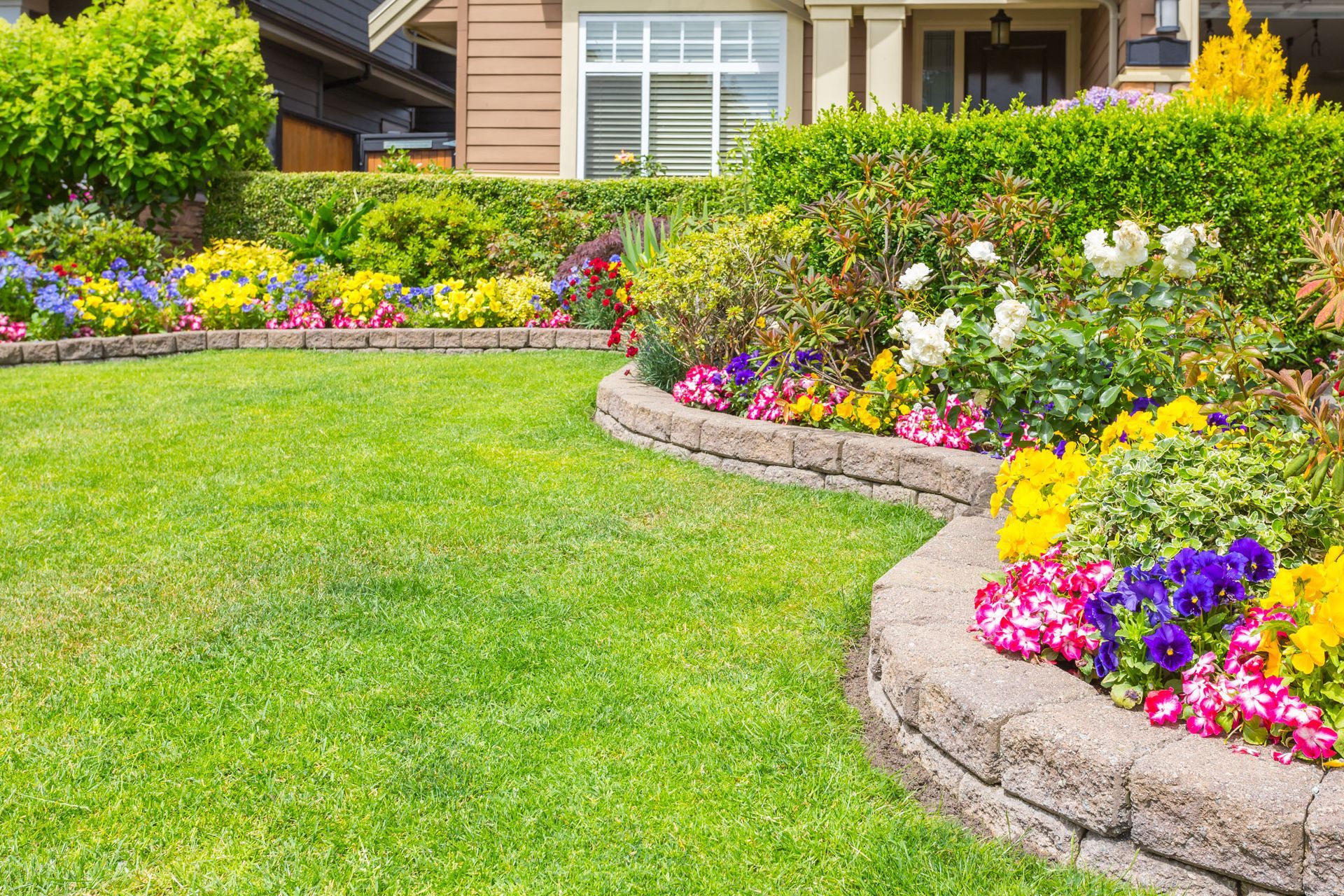
Structural hardscaping forms the backbone of modern landscaping, providing functional organization, clean geometric lines, and long-term erosion control. Permeable pavers used for driveways, walkways, and patio floors allow rainwater to seep naturally through joints into the subsoil, reducing surface runoff and supporting groundwater recharge. Sturdy stone retaining walls prevent soil collapse on sloping yards while creating multi-level terraces for flower beds. Durable bed curbs define crisp borders between turf grass areas and plant beds, giving the entire property a polished finish.
Innovative hardscape design also incorporates natural wood structures and vertical planting solutions to maximize available space. Pergolas, arbors, and wooden trellises add architectural height while providing sturdy support for climbing vines and flowering greenery. Vertical gardens and living walls convert plain exterior building surfaces into vibrant panels of foliage, bringing nature upward in compact courtyard spaces. Combining natural stone pathways with warm timber elements establishes rich visual contrast, turning unused vertical and horizontal spaces into functional works of art.
Foster Vibrant Biodiversity and Local Wildlife
Promoting environmental health through thoughtful landscaping includes designing pollinator-friendly garden beds that support local wildlife ecosystems. Selecting flowering annuals, nectar-rich perennials, and native shrubs attracts honeybees, butterflies, and hummingbirds throughout the blooming season. Staggering bloom schedules across spring, summer, and autumn ensures a continuous food source for beneficial insects while maintaining dynamic color displays across the property. These colorful plant combinations foster ecological balance while delivering vibrant visual appeal that captivates neighbors and guests alike.
Incorporating functional wildlife habitats further enhances the ecological balance and charm of residential gardens. Installing decorative birdhouses, roosting boxes, and bee hotels provides safe nesting shelters for native bird species and solitary pollinators. Shallow habitat ponds or stone water basins supply essential drinking sources for local fauna, encouraging songbirds and helpful amphibians to reside in the yard. Integrating these natural shelter features into garden layouts creates a self-sustaining ecosystem that enriches the outdoor environment while showcasing environmental stewardship.
Transforming outdoor spaces through purposeful landscaping choices enhances immediate property appearance while making a lasting investment in environmental sustainability. Embracing native plant selections, vibrant turf management, structural hardscaping, and serene water features creates balanced environments that deliver enjoyment year-round. These design approaches ensure residential and commercial properties remain visually compelling, structurally sound, and ecologically beneficial for years to come.
As property owners evaluate new ways to improve exterior aesthetics and functional outdoor living, partnering with experienced horticulturalists and design specialists ensures seamless execution from concept to completion. Contact us today at Brumley Gardens to schedule your complimentary estimate and discover how our expert team can bring your vision to life with custom landscaping.








Share On: